
Bad Apartment? Here’s What Texas Tenants Need to Know When a Landlord Won’t Make Repairs
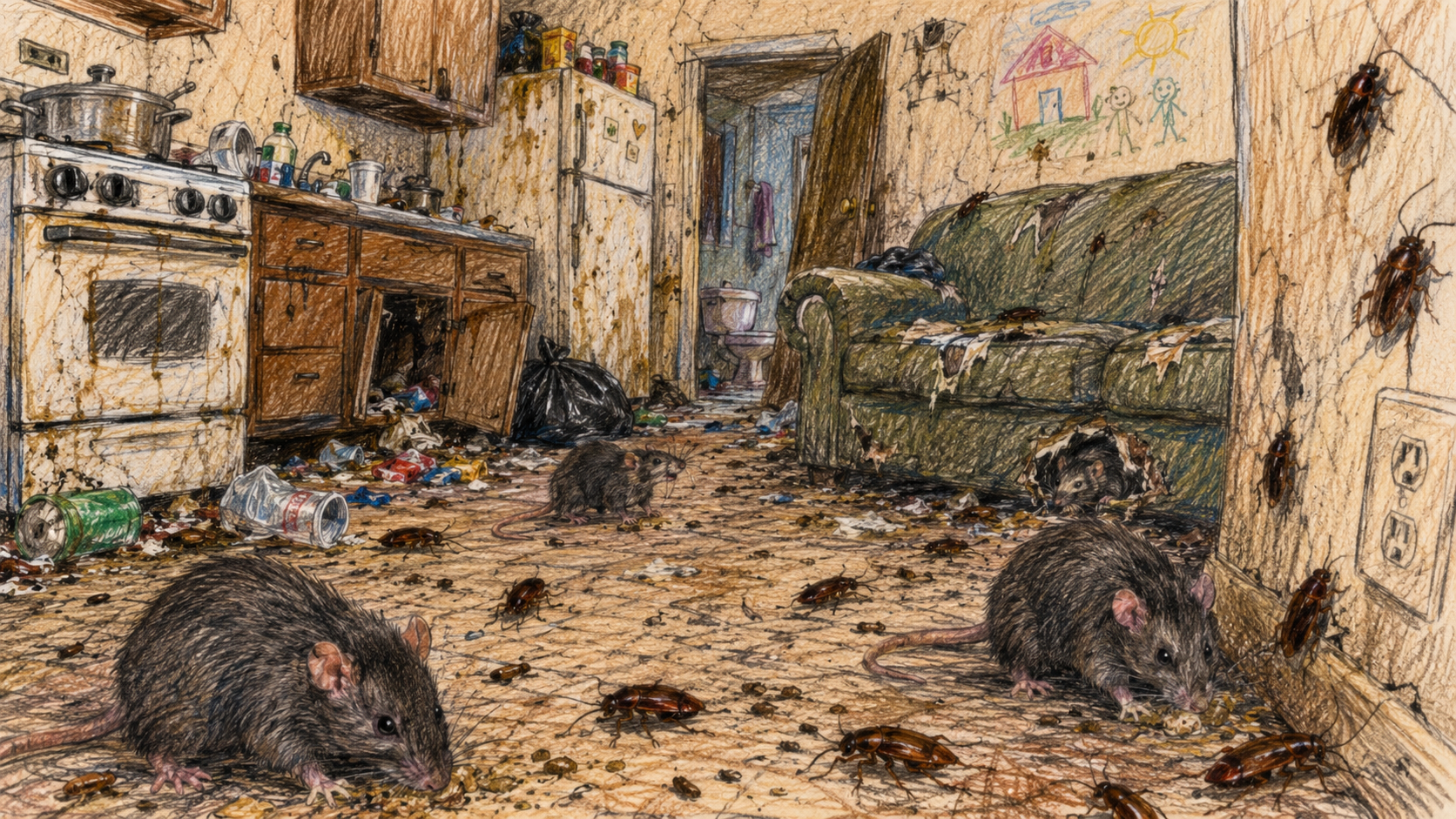
HOUSTON, TX — For many renters, a broken air conditioner, mold, sewage backup, pest infestation, or unsafe living condition is more than an inconvenience. It can become a serious health and safety issue. In Texas, tenants do have rights when a landlord refuses to make necessary repairs, but renters must take the right steps and create a paper trail.
Texas law requires landlords to fix conditions that threaten a tenant’s physical health or safety. However, renters are encouraged to make their complaints official by writing down each violation, sending notice by certified mail, and reporting the issue to the City of Houston through 311.
Tenants should begin by clearly listing every problem inside the unit or on the property. Examples include mold, broken air conditioning, sewage backups, structural damage, or other hazardous conditions. Renters should take photos and videos whenever possible and keep copies of all written complaints.
The next step is sending a repair request by certified mail with “Return Receipt Requested.” This creates proof that the landlord received the complaint. That receipt can become legally important because it helps establish an official record showing the landlord was notified.
Renters are also encouraged to call 311 immediately and report the same problems to the City of Houston. When filing a report, tenants should request a Code Enforcement inspection and keep the 311 case number. That case number can later be used when contacting city officials or following up on the complaint.
One key step renters should understand is the “7-day rule.” Once the landlord receives the certified letter, the landlord has a limited amount of time to begin addressing the repair issue. If the landlord fails to act, tenants may gain legal options, including the right to break a lease safely or pursue action in court.
Tenants can also escalate serious problems to their Houston City Council representative. Renters can find their council member by visiting the City of Houston website or by calling 311. When contacting a council office, tenants should include the 311 case number, photos of the conditions, and a copy of the certified mail receipt.
Tenants should also ask council offices to flag the 311 complaint with the Department of Neighborhoods for a priority inspection. Council offices may be able to help move serious housing complaints forward, especially when dangerous conditions are being ignored.
However, renters should be careful not to stop paying rent as a way to punish a landlord. Under Texas law, withholding rent without strictly following the legal process can put tenants at risk of eviction, even if the apartment has serious problems.
For renters who need help, legal aid and tenant advocacy organizations may be able to help tenants understand their rights, prepare documents, or fight discrimination and landlord abuse. Resources include Lone Star Legal Aid, Texas Law Help, and the Fair Housing Center.
The most important thing renters can do is document everything. That means keeping photos, videos, emails, letters, certified mail receipts, inspection reports, 311 case numbers, and any communication with the landlord or property manager.
For tenants living in unsafe conditions, the message is clear: do not rely on phone calls alone. Put the complaint in writing, send it through certified mail, contact 311, and escalate the issue when necessary.
Bad housing conditions can affect a person’s health, safety, and quality of life. While the legal process can be intimidating, renters who create a strong paper trail may have more power to hold negligent landlords accountable.